Analysis
Analysis workspace.
Participant photographs and narratives remain the primary evidence. Facilitators and participants examine that evidence together, organize codes, develop possible themes, preserve meaningful differences, validate findings, and identify priorities for reporting and action.
Analyzing your own project requires a signed-in facilitator role on that project. The worktable below runs on sample content so you can see how it works first.
From photograph to community findings

Participant-authored
“I go around this stretch after work even though it adds ten minutes.”
WHY does this situation exist? — The lights here have not been replaced.
Codes and themes
Facilitator-recorded, reviewed with participants
Lighting and safety · Walking routes
Needs and assets
Group dialogue
Concern: unlit route · Strength: neighbors who notice
Findings and action
Community findings
Shared with decision-makers for action
Participant meaning is preserved as submitted and is never replaced by facilitator analysis.
Sample mode — demonstration content, not participant work
Review participant data
Photograph, title, narrative, and reflection as submitted.
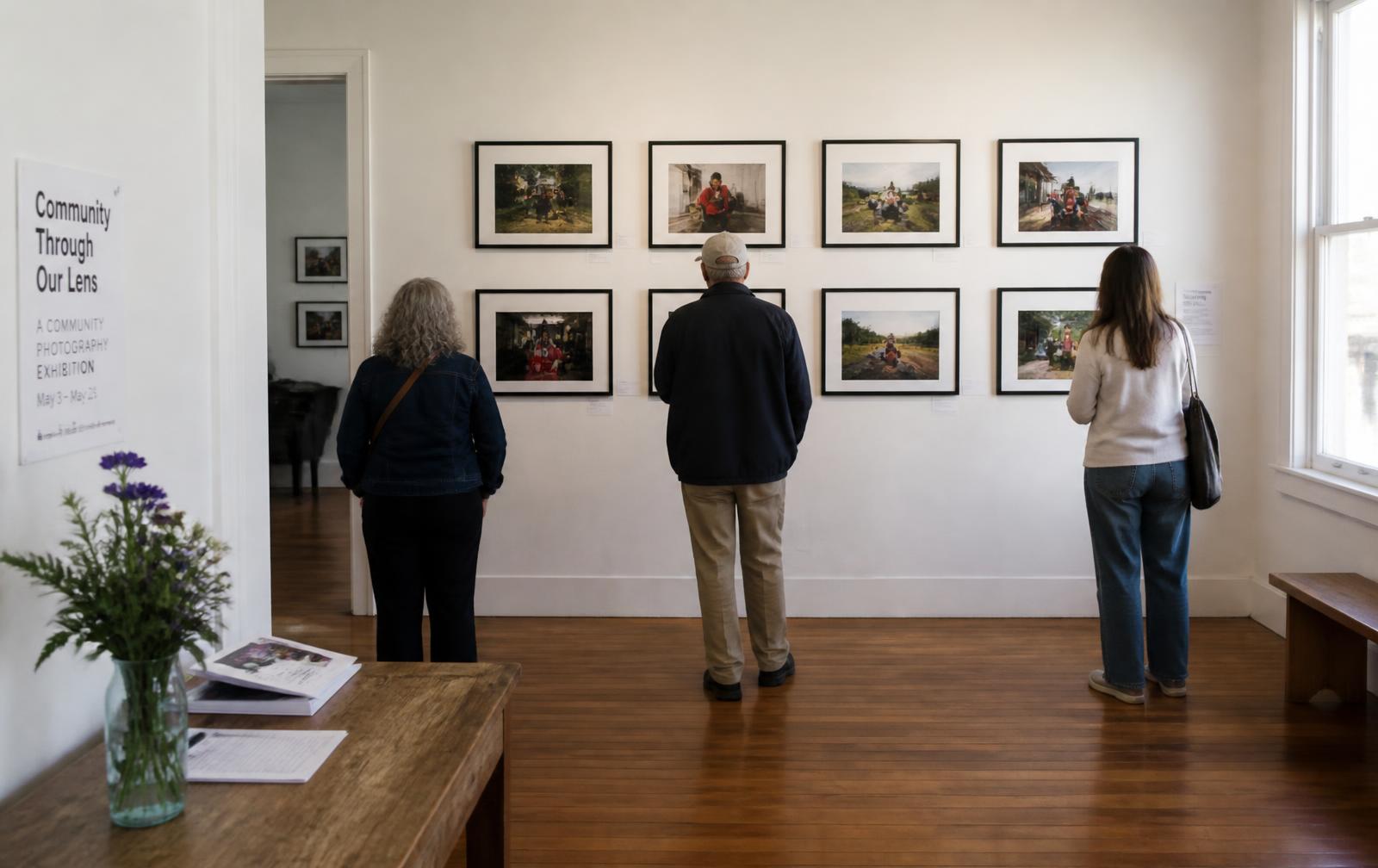
Participant-authored
Someone waters these
Nobody is paid to keep these alive. Different people do it depending on the week. That is what this block is.
How can we feel EMPOWERED by this? — We already take care of small things together.
Participant-authored
The long way home
I go around this stretch after work even though it adds ten minutes. I have done it so long I stopped noticing I do it.
WHY does this situation exist? — The lights here have not been replaced.
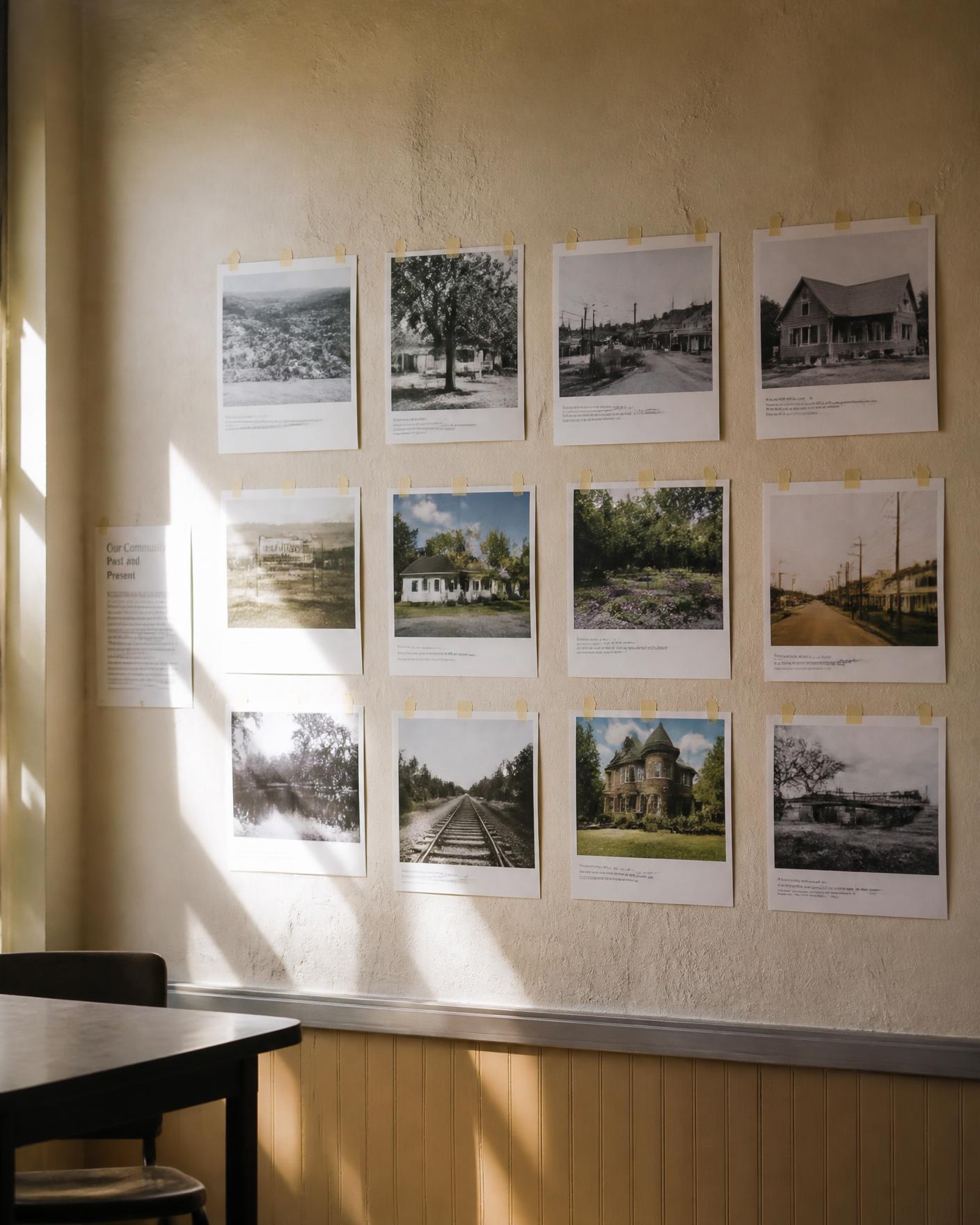
Participant-authored
Chairs come out at five
This is where people actually talk. It is not a park and nobody planned it.
How does this relate to OUR lives? — It is where we hear what is going on.
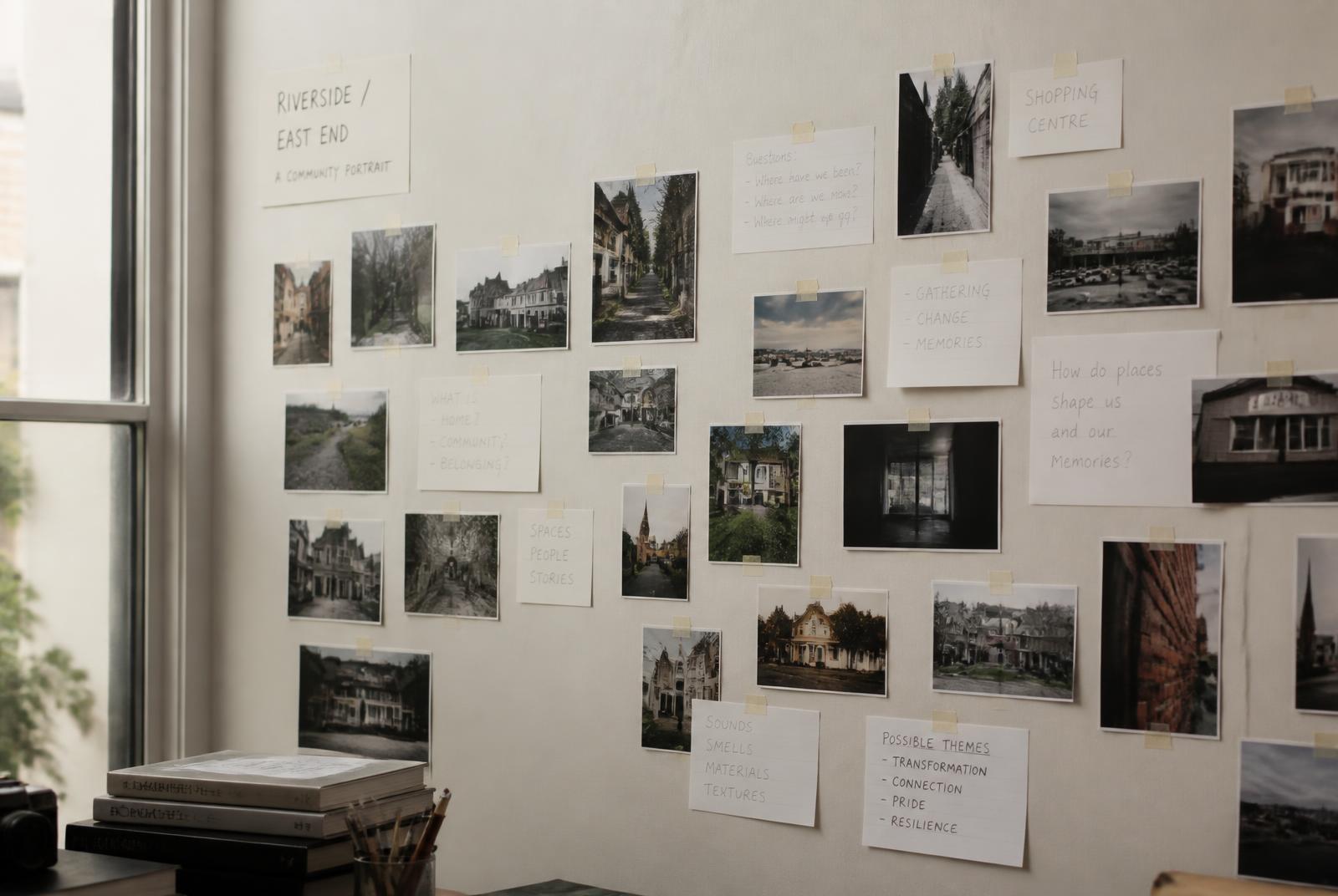
Participant-authored
Waiting in the weather
The panel has been gone a long time. In winter you wait in the wind with your bags.
What can we DO about it? — Report it together instead of one at a time.
Participant interpretation stays primary.
- Participant-authored
- Photographs, narratives, and reflection answers, preserved as the participant wrote them.
- Facilitator notes
- Session notes and follow-up prompts, attributed to the facilitator who wrote them.
- Codes and themes
- Labels applied during analysis, held separately from participant wording.
- Suggested pattern — requires review
- Suggested prompts or groupings remain separate from participant meaning. They cannot become themes or findings without facilitator review, participant engagement, and community validation.