How it works
From one question to community action.
A Photovoice project follows a clear path. Here is what happens at each stage, and what your organization and your participants each do.
The project, stage by stage
Set the question
Your organization defines one guiding question: what it wants participants to explore and photograph from their own experience.
Participants photograph
Participants join with a project link or code and submit their own photographs.
Participants explain
Guided reflection prompts help each participant say what their photograph means to them, in their own words.
The group talks it through
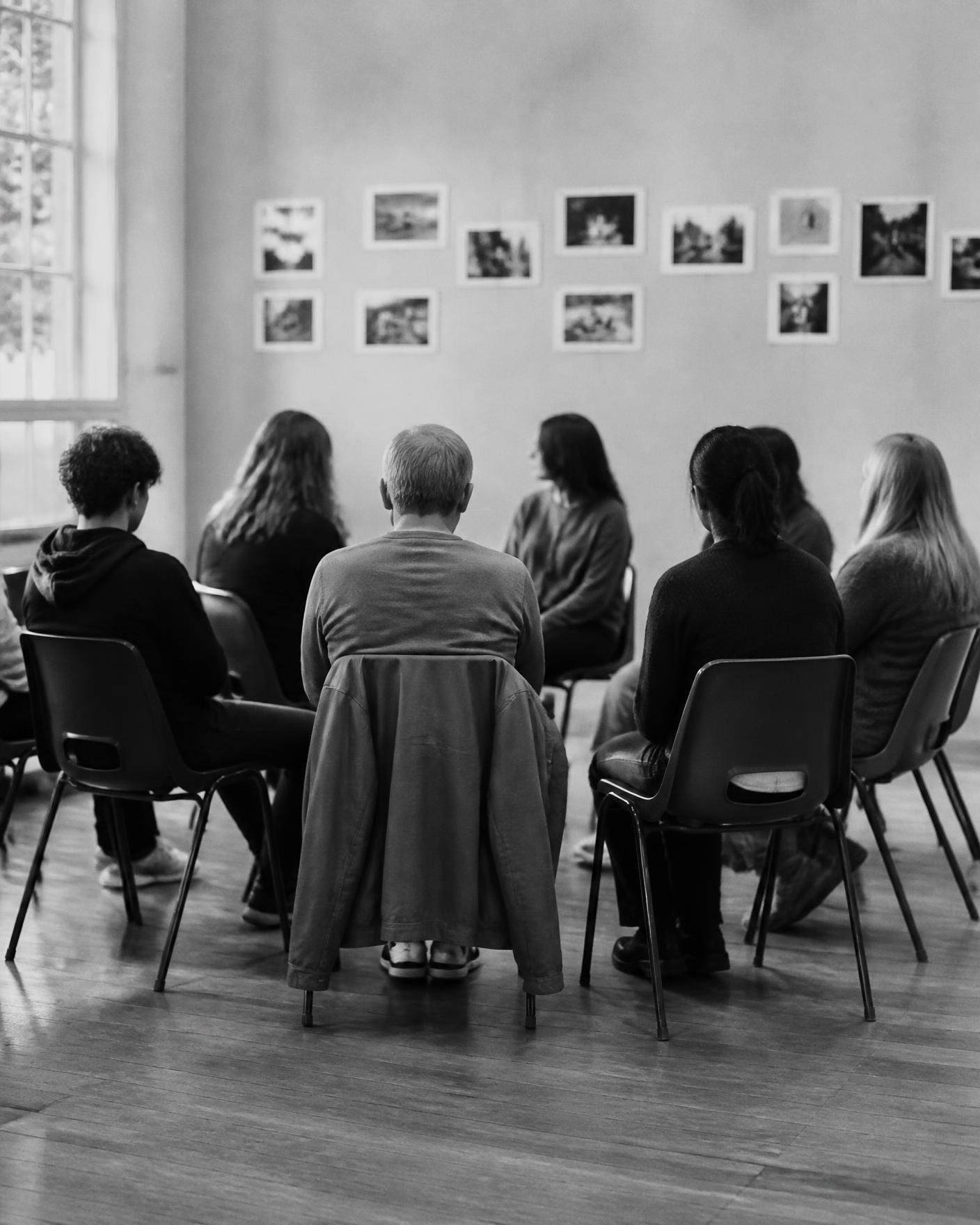
Facilitated dialogue puts photographs and stories side by side. The photographer speaks first.
Participant evidence becomes community findings
Participants and facilitators examine the photographs and narratives together. Possible patterns become themes only after review, and themes become findings only after the evidence, differences, and community interpretation have been considered.
Findings travel
Reports, briefs, exhibits, and presentations carry the findings to the people who can act on them.
Method reference
Open a section for more detail on the method behind the platform.
Photovoice is a participatory method that uses participant-created photography, participant interpretation, and critical group dialogue. Participants respond to a guiding question through photographs and explain what those images mean from their own perspective.
Photograph
A participant photographs a response to the guiding question.
Participant meaning
The participant explains the photograph in their own words.
Dialogue
In Photovoice360's facilitation practice, the group discusses the photograph, photographer first.
Participatory analysis
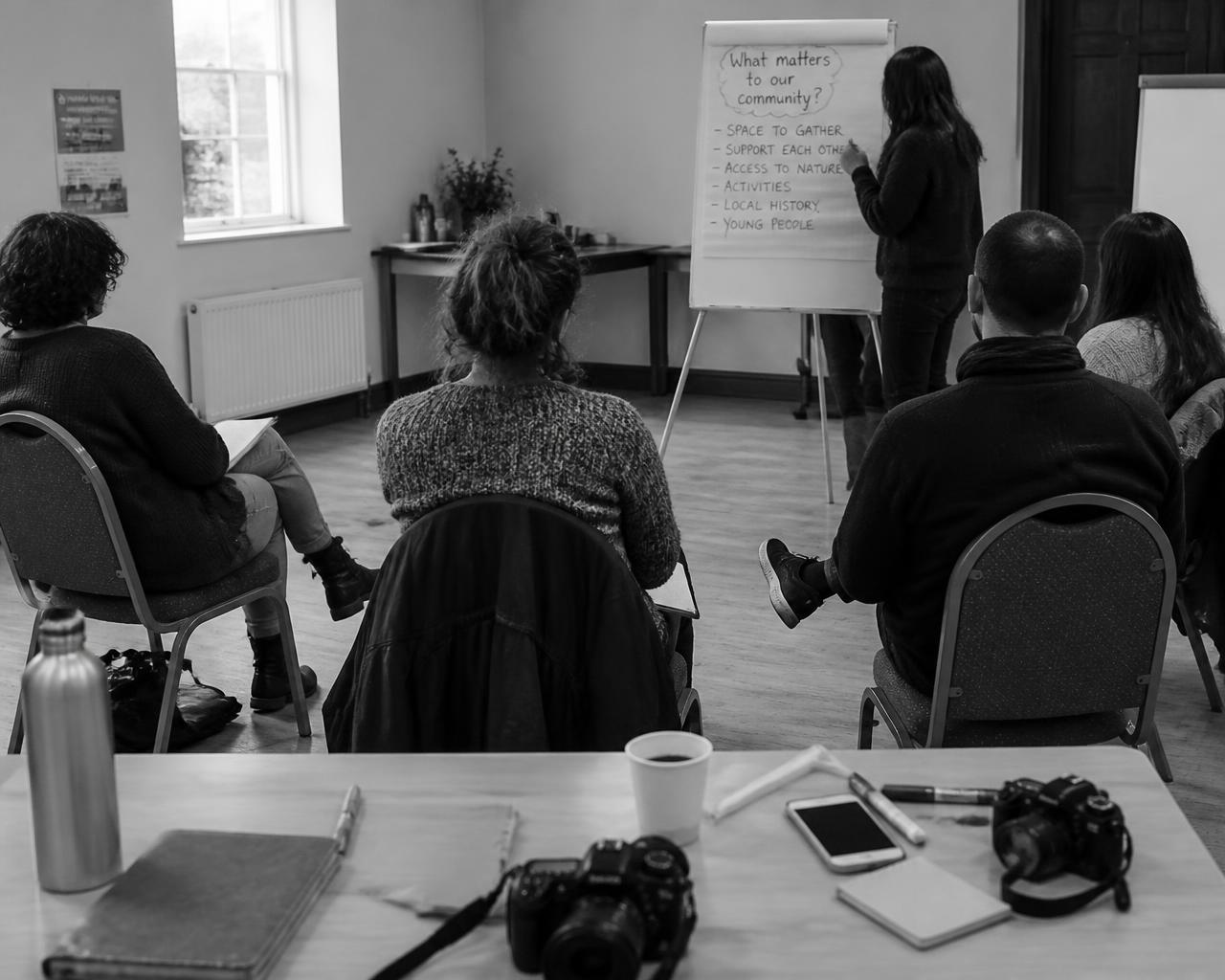
Participants and facilitators examine the photographs and narratives together, develop themes, preserve meaningful differences, and validate the findings that will be carried forward.
- Document and reflect. Enable people to document and reflect on the strengths and concerns of their own community.
- Dialogue and knowledge. Promote critical dialogue and collective knowledge through group discussion of photographs.
- Reach decision-makers. Bring the community's own images and words to stakeholders positioned to influence change.
Protect privacy when you photograph.
Photovoice360 projects do not accept photographs showing identifiable faces.
This is the Photovoice360/TAP protocol for participant photography, not a universal Photovoice rule.
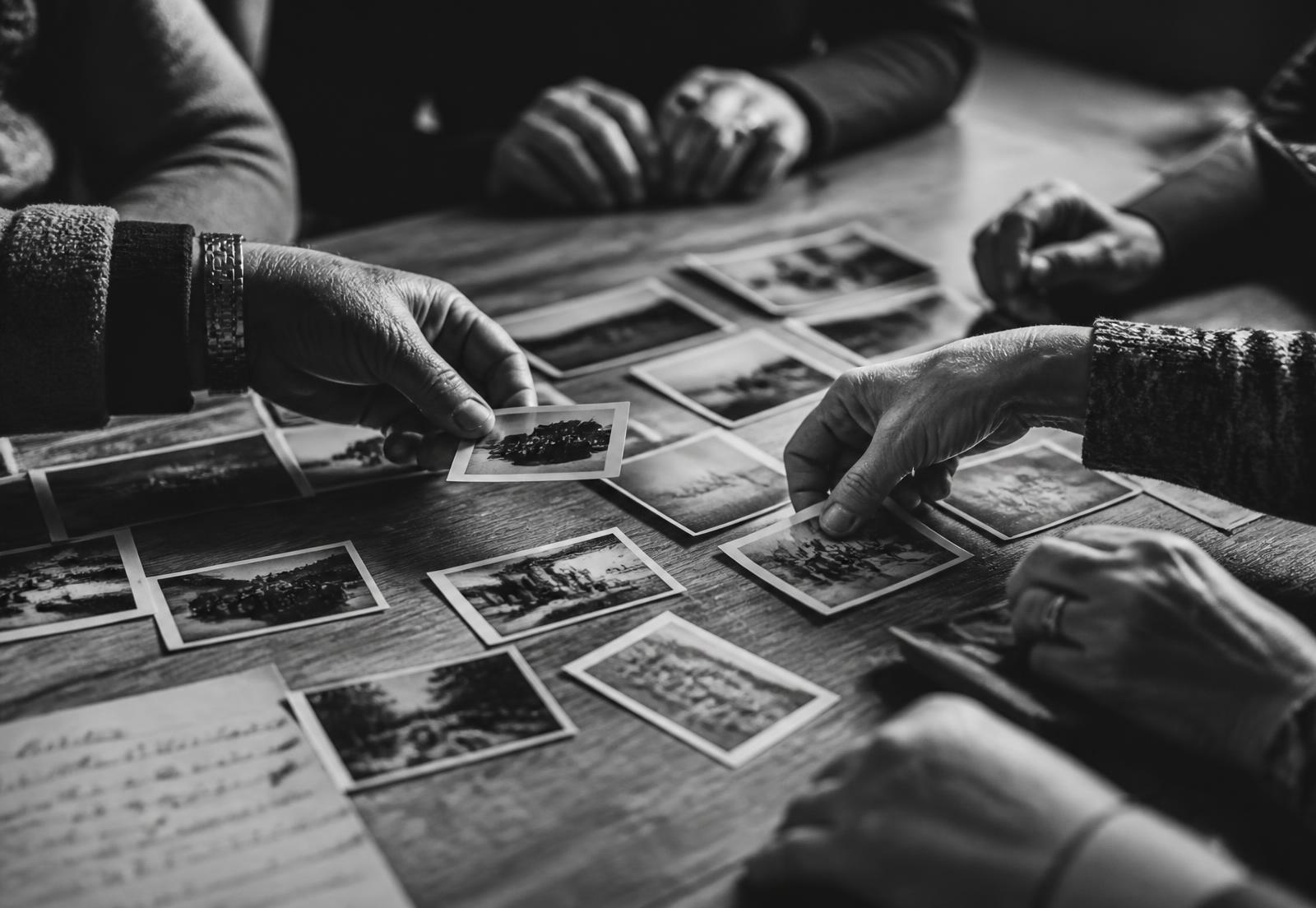
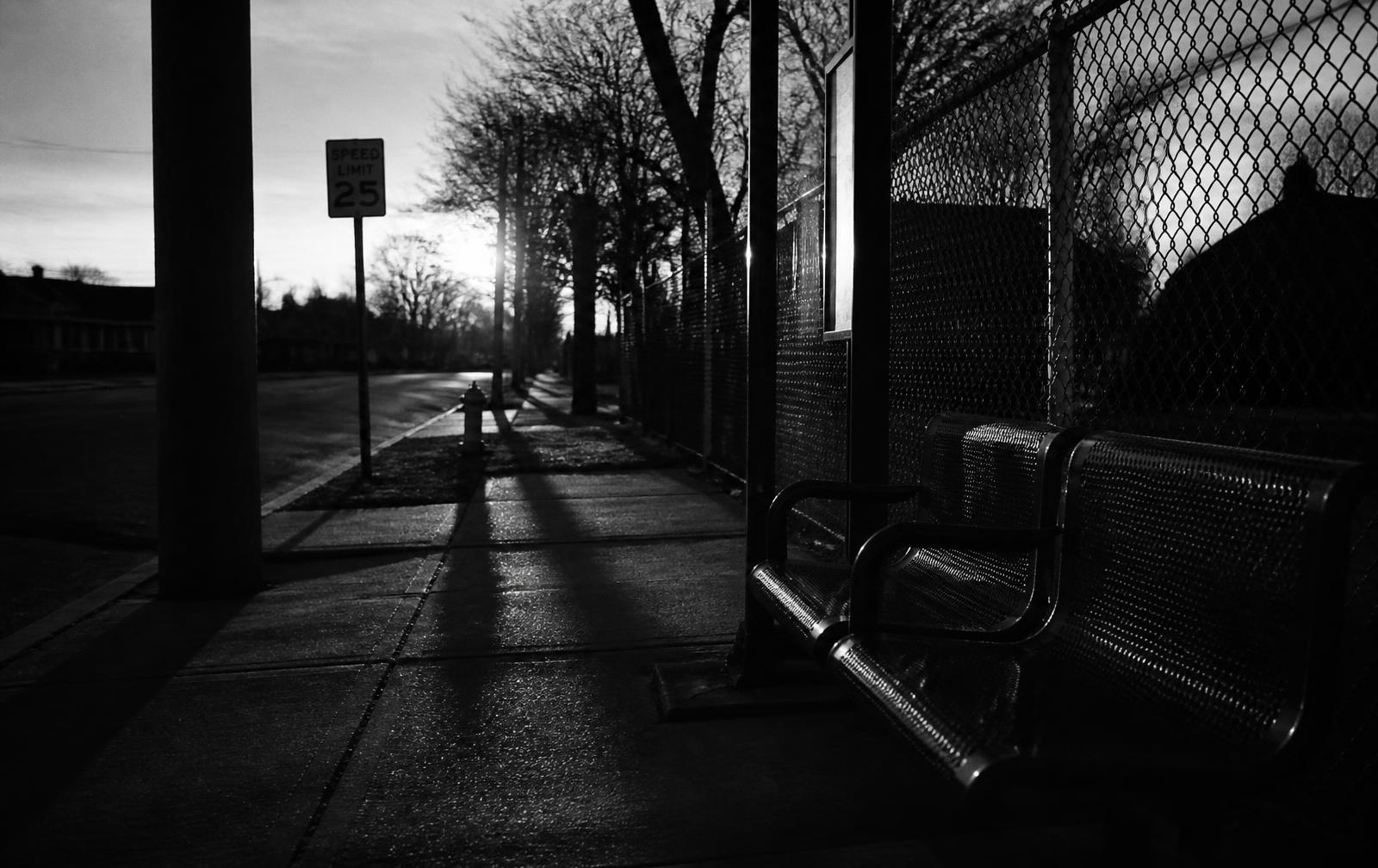
- ObjectsAccepted
- PlacesAccepted
- DetailsAccepted
- Hands or gestureAccepted
- SilhouetteAccepted
- EnvironmentAccepted
- Visual metaphorAccepted
- Identifiable facesNot accepted
- Participation is grounded in informed consent.
- Where participants are minors, consent from a parent or legal guardian and youth assent are required.
- Before contributing, participants are told how their photographs and narratives are intended to be used. Those uses are the terms of taking part in that project, agreed to as a whole before anything is collected.
What do you SEE here?
What is in the frame: place, objects, light, time.
What is really HAPPENING?
What someone unfamiliar with this place would miss.
How does this relate to OUR lives?
Share as much or as little as you choose.
WHY does this situation exist?
Consider history, decisions, resources, and power.
How can we feel EMPOWERED by this?
What it shows about what people here already have or already do.
What can we DO about it?
A step you name yourself, not a solution you have to guarantee.
Facilitators may use the full set, select the questions that fit the prompt, or write customized reflection prompts in the same spirit.
Photographs are discussed together. In Photovoice360's facilitation practice, the photographer speaks first, and the group responds to what they said.
Participants take part in identifying themes across photographs and reflections. Community strengths are held alongside concerns, and every theme stays connected to the submissions it came from.
Community strengths and assets
- Care people already give each other
- Places where people gather
- Skills, knowledge, and history held locally
- Organizations already trusted here
Community concerns and needs
- Conditions participants photograph repeatedly
- Barriers to getting somewhere or getting help
- Upkeep and repair that has not happened
- Service gaps participants describe from experience
Both sides come from participant photographs and participant words, and stay linked to the submissions they came from.
The photograph and the participant's own account of it, preserved as submitted.
Bar length shows analytic distance from the participant. Participant meaning is never overwritten.
Community findings are brought to stakeholders and decision-makers, with participants present. A project's formal obligations, including ethics board or IRB review where required, are determined by the organization running the project.
Exhibit
Participant photographs and narratives shown in public.
Report or brief
Community findings written for stakeholders.
Stakeholder dialogue
Direct conversation, participants present.
Recommendations
What participants said should change.
Advocacy or campaign
Sustained public pressure for a priority.
Policy or systems conversation
Where decisions are actually made.
Follow-up
Checking what happened, and reporting back.
Ask Photovoice360
Have a question about Photovoice or your project?